
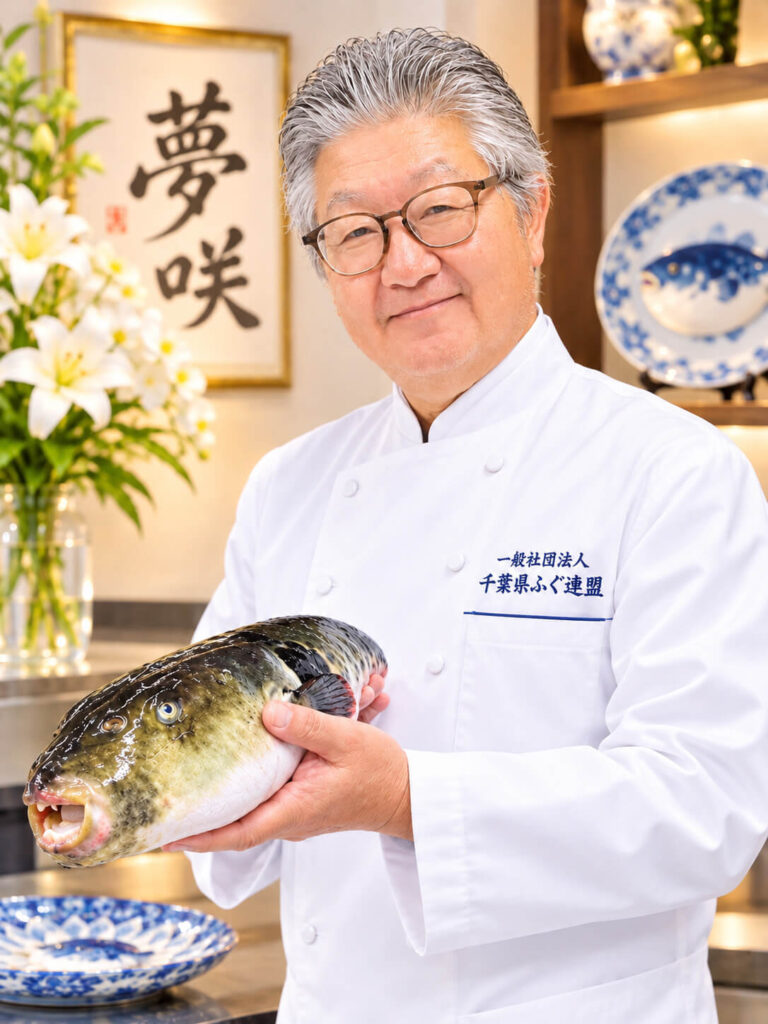
Have you ever eaten fugu (pufferfish)? For most people outside of Japan, the answer is likely “NO”. Even among the Japanese, fugu is rarely eaten, as it is not sold in fish markets. The common perception of fugu is that it is “poisonous” and “dangerous”. This is true. However, once the poison is removed properly, fugu becomes an exceptionally delicious fish. At my guesthouse, I serve fugu dishes to visitors from abroad—including guests from countries where the consumption or importation of fugu is prohibited. Their reactions: “It’s delicious” “This is the first time I’ve ever eaten fugu” and “It was a great experience”.
There are approximately 50 species of fugu in the waters around Japan, and about 200 species have been identified worldwide. It is crucial to be able to distinguish between edible and inedible fugu. Furthermore, which parts are edible and which are not varies depending on the species. For instance, in the case of torafugu (tiger pufferfish)—a prominent species in Japan—the meat, skin, and testes can be eaten, however, the ovaries, liver, and other internal organs are toxic. Consuming fugu safely requires both extensive knowledge of the fish and specialized culinary skills.
In Japan, it is prohibited for the general public to cook fugu. A specialized license is required. While many people hold standard culinary licenses, very few possess a license for preparing fugu. Because fugu toxin can be fatal, the licensing examination is extremely rigorous. It is often said that one must practice on at least 100 fugu to have any chance of passing. In Chiba Prefecture, where I live, the exam must be completed within 20 minutes—any hesitation or slowness results in failure. The quality of one’s knife is also critical. A dull blade makes it impossible to properly process the fish. Obtaining a fugu license is a battle against the fish’s lethal toxin, a race against time, and a test of one’s mastery of the knife.
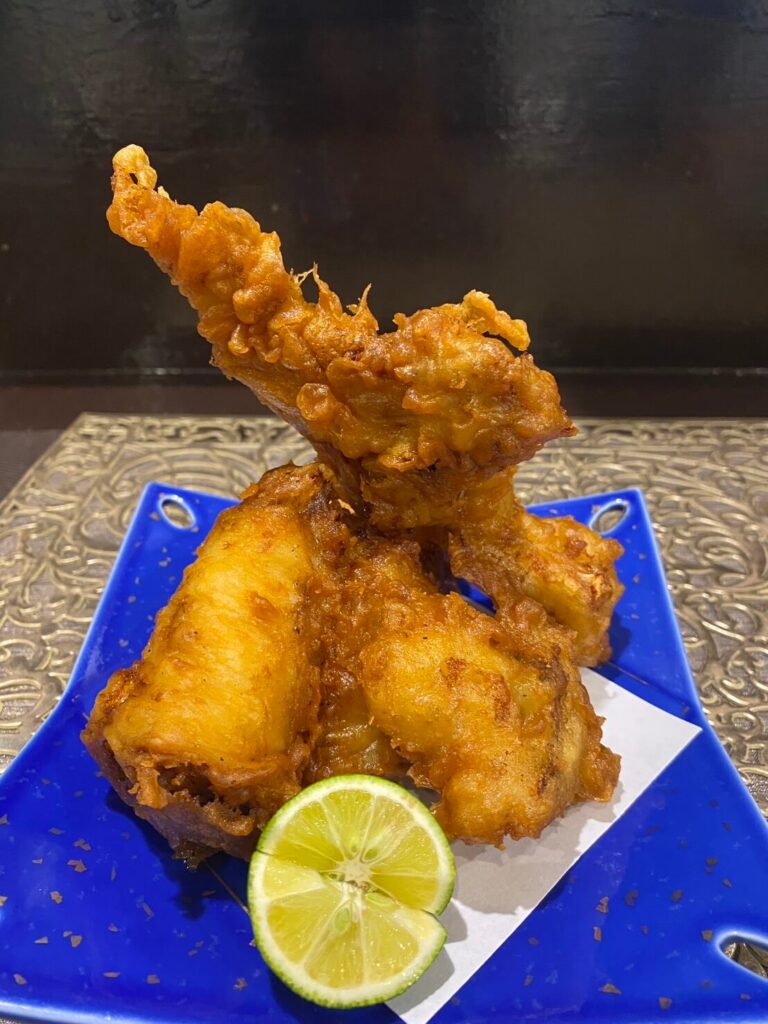
My recommendation of a fugu dish is karaage (deep-fried fugu). It tastes somewhat similar to fried chicken, but my guests often say that fugu is even better. Sashimi and nabe (hot pot) are also popular choices. Fugu isn’t limited to Japanese cuisine. It works exceptionally well in Chinese, French, Italian, and Ethnic cuisines—for example, fugu in chili sauce, meunière, carpaccio, or even gapao rice.
When you visit Japan, be sure to try fugu. Chiba Prefecture—home to Narita Airport—is currently seeing an abundant catch of fugu, with the season running from November through March. I can introduce some restaurants recommended by the Chiba Prefecture Fugu Association. Eating fugu might be a once-in-a-lifetime experience. It would be a disappointing to go through life without trying it. Fugu are prepared by professional chefs who meticulously remove all toxins, ensuring it is 100% safe to eat.